Yoga for Surfers 101: Improve Your Surfing, Strength & Balance
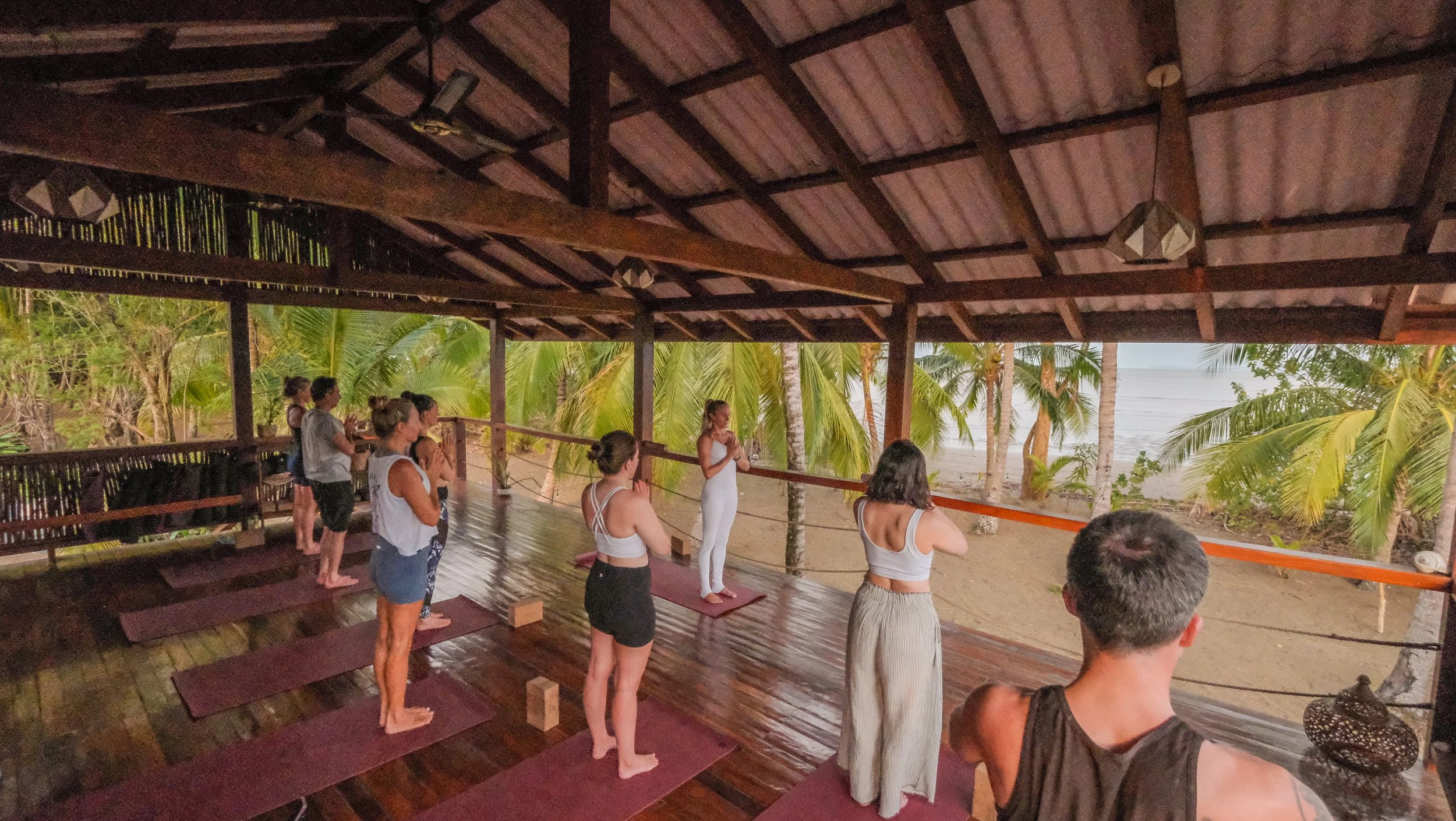
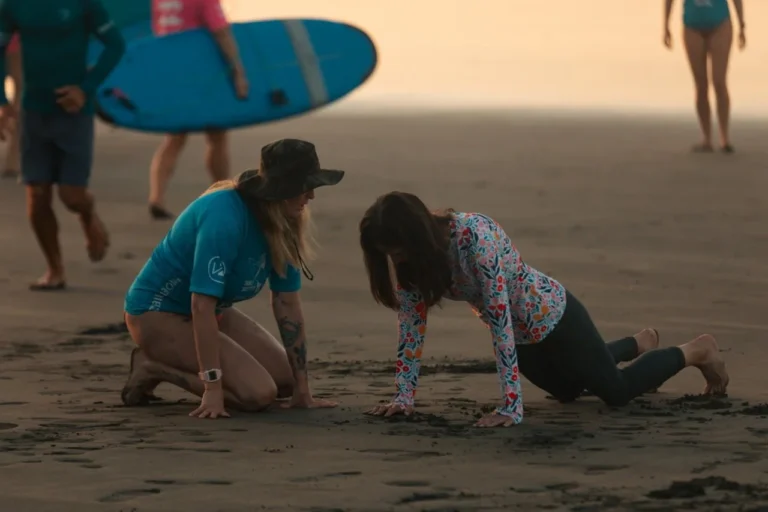
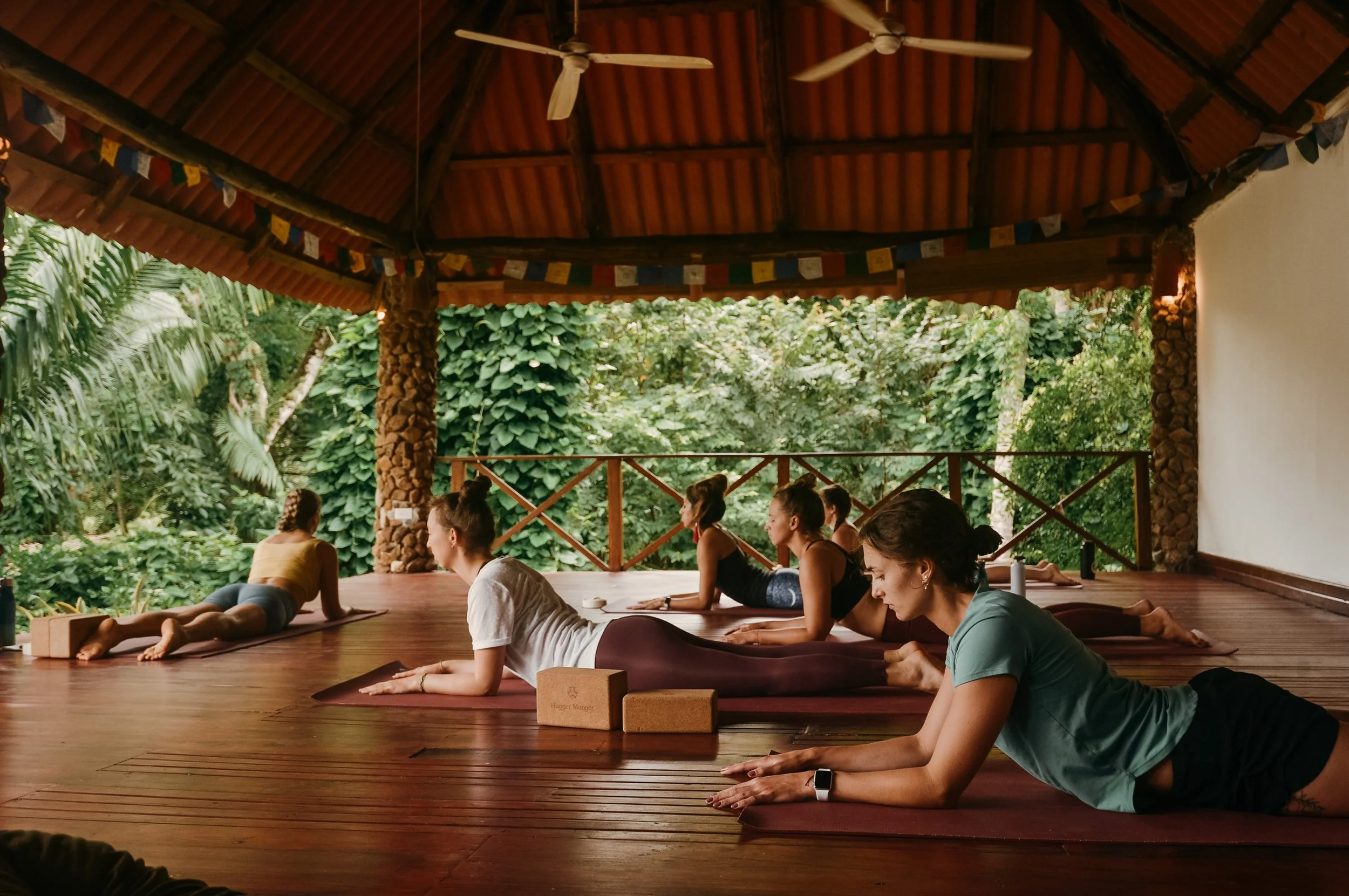
All over the world, surfers are turning to yoga to treat surf-related injuries, improve their surfing-related strength and flexibility, and become more mindful people in and out of the water. Today, wherever you travel to surf, you’ll likely encounter yoga as well. Whether you’re on a surf and yoga retreat in Panama or a strike mission to Bali halfway around the world, you’ll find no shortage of yoga studios and classes by world-class waves. If you’re looking for ways to better your surfing and reduce your risk of overuse injuries, while also increasing your strength and flexibility, yoga will change your life. To find out how yoga can improve your surfing and to learn about how the two are connected, continue reading below for Yoga for Surfers 101: How Yoga Can Improve Your Surfing Journey.
Why Yoga and Surfing Have Become So Interconnected
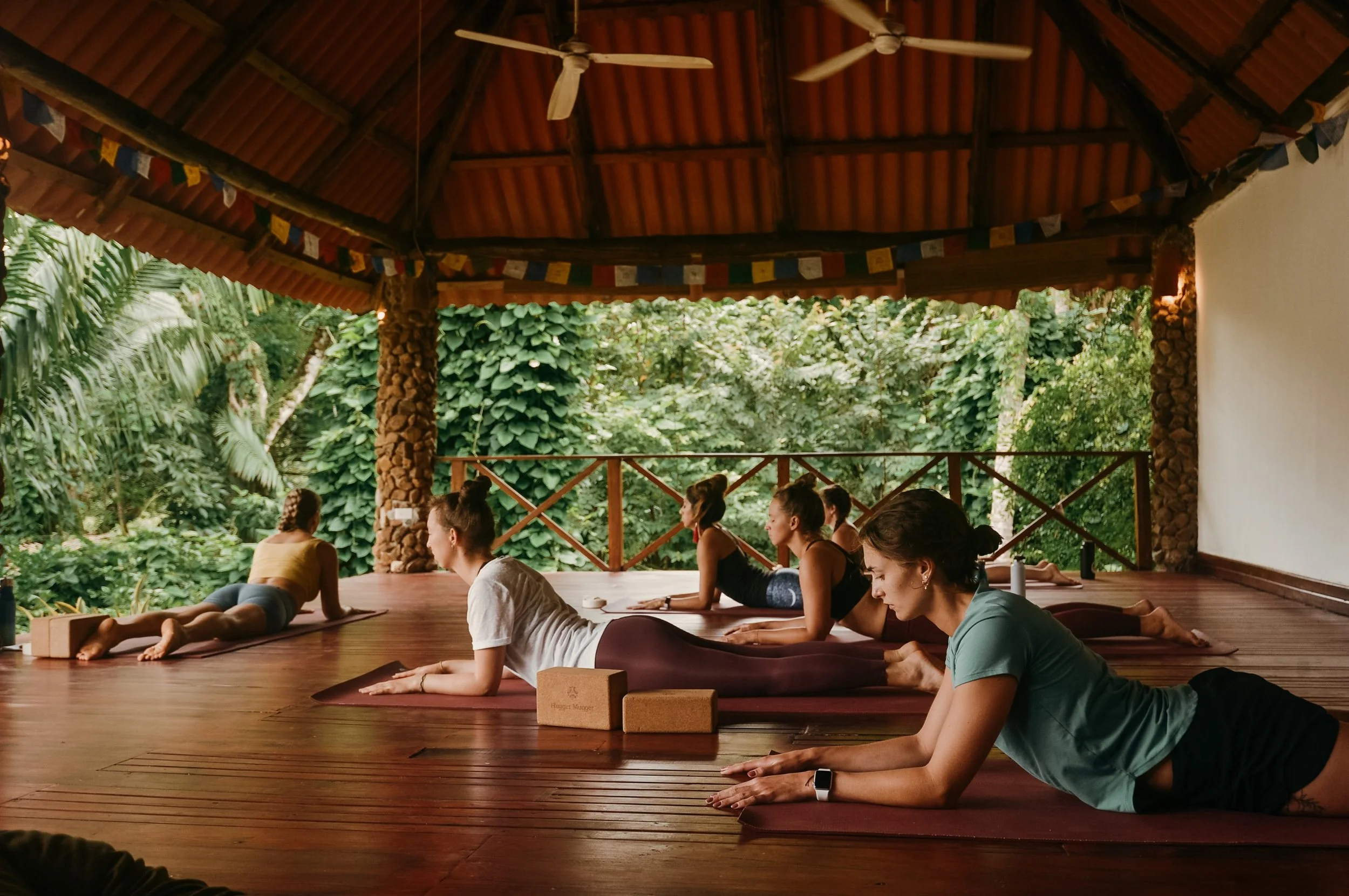
Over the past decade, yoga has become almost as universal in surf towns as board rentals and beach cafés—and for good reason. Surfing demands strength, flexibility, breath control, mental presence, and the ability to stay calm when the ocean becomes unpredictable. Yoga develops all of these qualities on land, which is why so many modern surf coaches, sports physiologists, and surf retreats recommend it as part of any long-term progression plan. For beginners and seasoned surfers alike, the right yoga practice can reduce pain, increase mobility, sharpen awareness, and make sessions more enjoyable and sustainable.
Gerry Lopez and Yoga’s Early Association with Surfing
One of the first notable surfers to take up yoga in the interest of their surfing and overall health was Mr. Pipeline himself, Gerry Lopez. While Gerry rose to fame by mastering the world’s most dangerous wave, Banzai Pipeline on Oahu’s North Shore, he became equally well-known for his yoga practice. After discovering the book, Autobiography of a Yogi by Paramahansa Yogananda, Gerry’s outlook on life changed, and he incorporated a regimented yoga practice into his daily life.
Gerry Lopez competed at the highest level of surfing and could be found practicing yoga quietly by himself on the beach before each of his heats. Lopez found that yoga not only helped him develop the strength and flexibility he needed to excel in the water, but it became a transformative tool for managing stress, staying grounded, and maintaining a balanced perspective amidst the demands of professional surfing and life in general.
Lopez’s influence helped cement yoga as a foundational training tool for surfers worldwide, long before it became mainstream. Today, professional surfers—from big-wave riders to high-performance competitors—continue to use yoga for recovery, mobility, and mental clarity. His legacy is a reminder that surfing at your best isn’t just about physical strength; it’s about embodying patience, awareness, and a steady mind in a constantly changing environment.

What Your Body Actually Does While Surfing
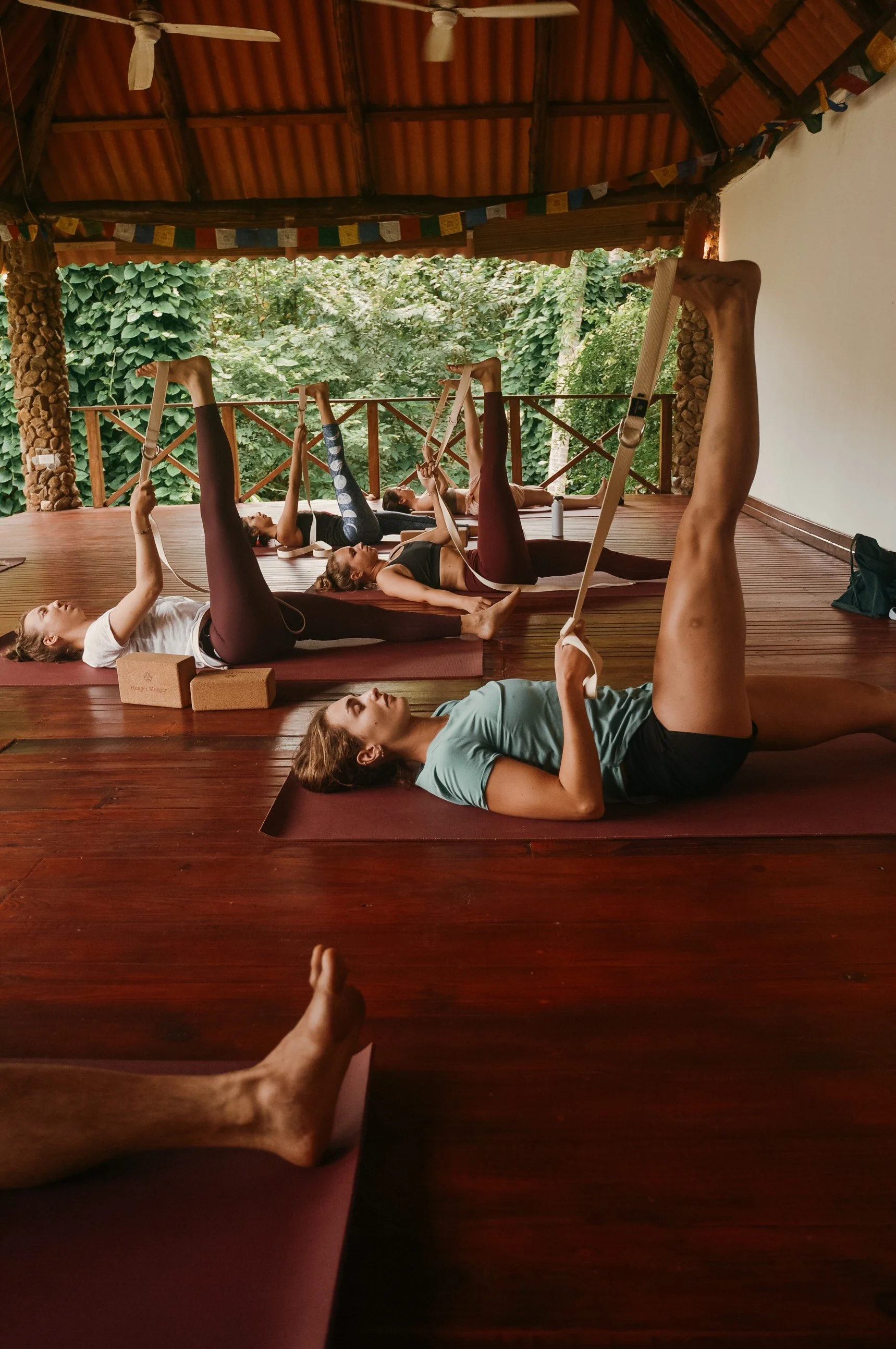
Surfing looks graceful from the beach, but the physical demands are intense. Paddling requires continuous shoulder rotation and back engagement. Pop-ups rely on core stability, hip mobility, and explosive strength. Riding the wave demands balance, proprioception, and fluid lower-body control. Add wipeouts, long sessions, and repetitive motions, and it becomes clear why surfers often deal with tight hips, stiff backs, sore shoulders, and limited range of motion. Yoga directly targets these areas, making it one of the most efficient full-body cross-training systems for surfers.
How Yoga for Surfers Helps Us in the Water
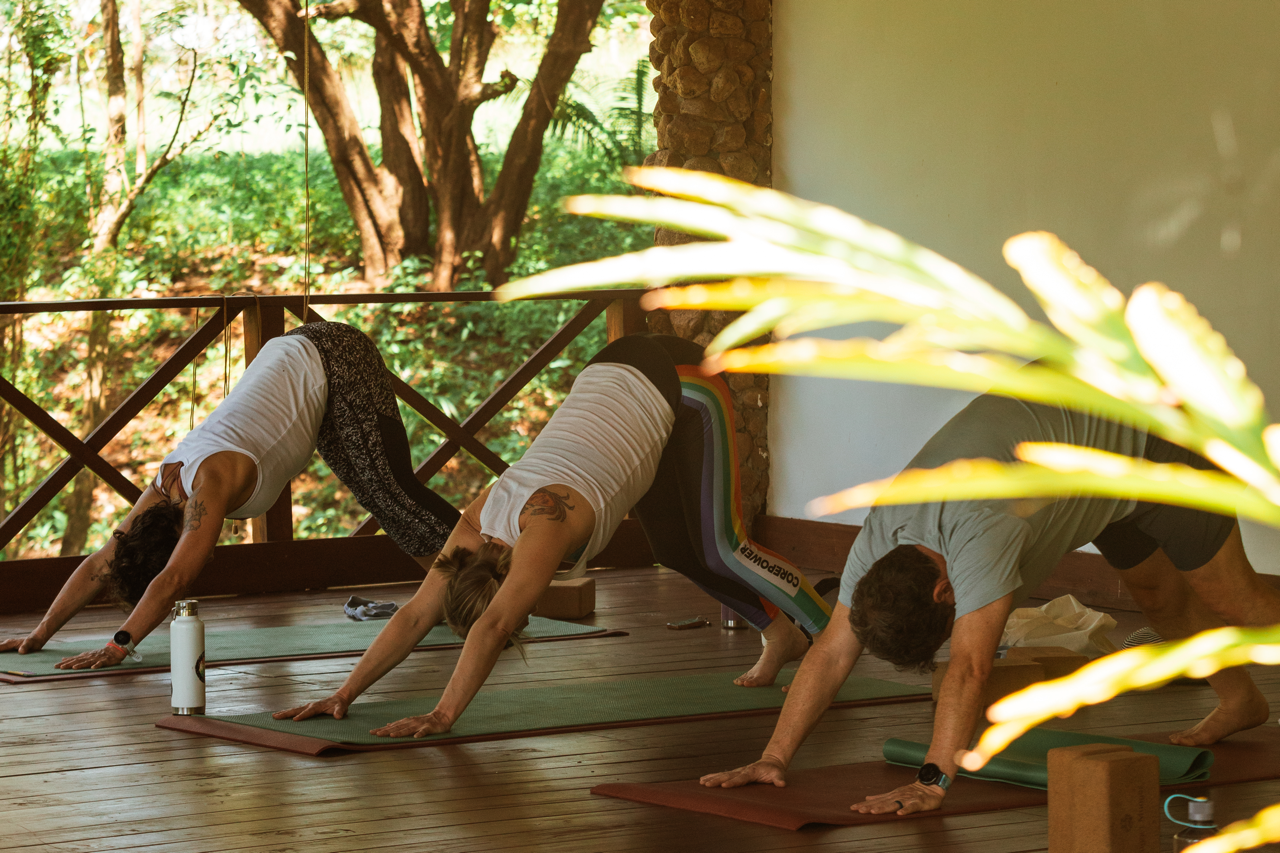
While surfing may be one of the most meditative activities on the planet, it requires an enormous amount of effort. There are dozens of ways that surfers train to perform better in the water, but yoga is perhaps the most all-encompassing training method out there. Yoga for surfers:
-
Increases paddle strength
Surfing is a total body activity. When we paddle, we recruit muscles in our shoulders, chest, and back. During yoga, we use these same muscle groups to stabilize our bodies and guide us through various flows. Like surfing, yoga isn’t about brute strength but rather muscle endurance. Yoga for surfers can help build paddle strength out of the water, while also providing a total body workout.
-
Improves Balance
Both yoga and surfing require an enormous amount of balance and body control. Nearly all yoga poses engage our core and stabilizing muscles, improving our balance and total body coordination. Through yoga for surfers, surfers develop proprioception (the sense of body position) and learn to engage different muscle groups to maintain stability on the board. This enhanced body awareness translates into improved control and coordination while surfing.
-
Enhances Breath Control
In surfing, breath control is vital. When we wipe out, it’s tempting to panic, but if we panic, we use more oxygen. Learning to remain calm while underwater is essential to surf progression. In yoga, the practice of breath control is called Pranayama. Regular breath control work, like what’s done in yoga for surfers, will increase lung capacity and improve our composure in difficult situations in the water.
-
Prevents Injury & Boosts Recovery
It’s no secret that surfing is physically demanding. Surfers are often plagued by overuse injuries from paddling, sitting hunched over in the lineup, and surfing, which develops muscular imbalances. Yoga for surfers helps prevent overuse injuries by strengthening stabilizer muscles and improving flexibility. Additionally, yoga helps our bodies recover by promoting healthy blood flow to sore muscles and increasing flexibility.
How to Start a Yoga-for-Surfers Routine
You don’t need to be flexible or experienced to benefit from yoga. A simple weekly routine can dramatically improve how your body feels in the water. Start with:
– Hip openers (lizard, pigeon, low lunge)
– Shoulder + upper-back mobility (puppy pose, thread-the-needle)
– Core + stability postures (boat pose, side plank variations)
– Breathwork (slow nasal breathing, box breathing, retention training)
Even 10–15 minutes a day can build the mobility and awareness your surfing relies on.
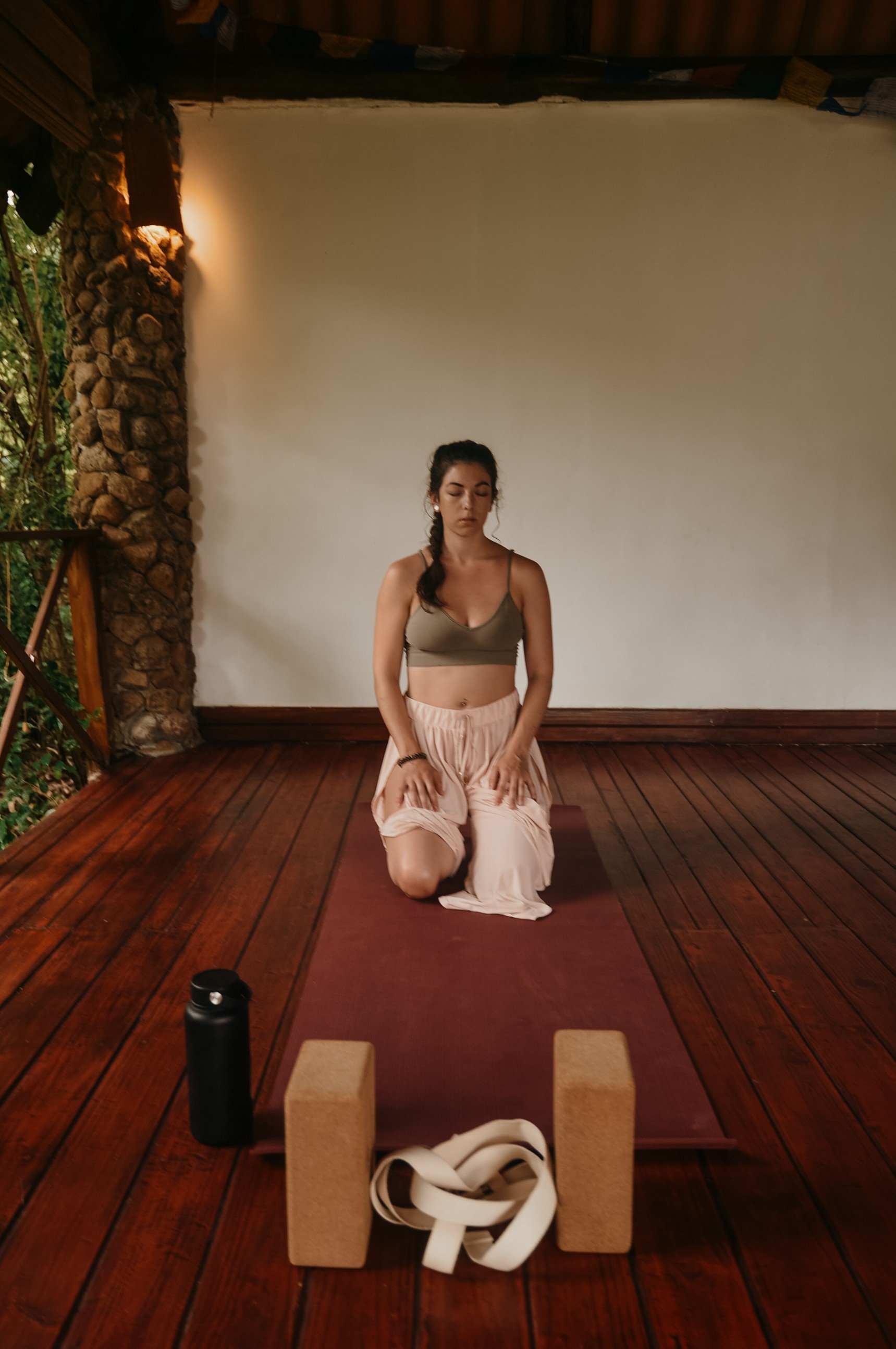
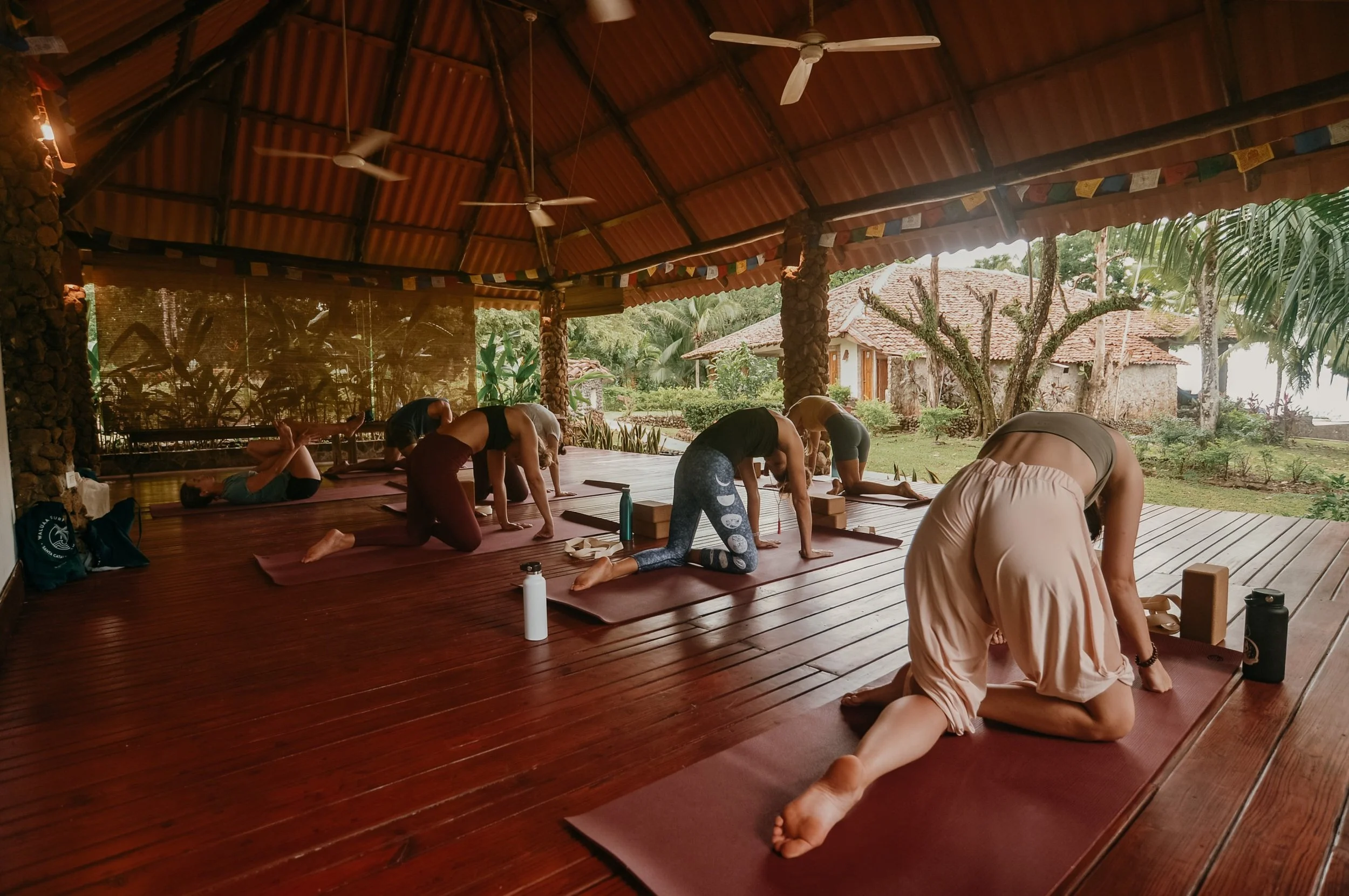
Find out first-hand how yoga can help your surfing when you travel to Panama on a surf and yoga retreat. When you join our Waluaa Surf & Yoga Retreats, our Yoga classes are tailored to compliment and enhance your surf experience. With a focus on stretching and strengthening key areas in the body to keep you in prime condition throughout the week, and whole lot more blissful too. Visit our schedule for more about our available retreats, and stay tuned to our blog for more surf, yoga, and travel content.

Yoga for Surfers FAQ
Do I need to be flexible to start yoga?
Not at all. Flexibility is a result of practice—not a prerequisite. Surf-specific yoga focuses more on mobility, stability, and breath than extreme stretching.
How often should surfers do yoga?
2–4 sessions per week is ideal, but even short, consistent practices can improve paddling endurance, pop-up efficiency, and recovery time.
What type of yoga is best for surfing?
Vinyasa and mobility-based flows are excellent for strength and movement. Yin yoga is ideal for deep recovery and flexibility. A balanced mix of the two supports long-term surf progression.
Can yoga really help with surf-related injuries?
Yes. Many common surf injuries—shoulder tightness, low-back pain, hip stiffness—stem from repetitive movement patterns. Yoga helps restore symmetry and improves joint health.